
FIFA World Cup 2026 Mexico Stadiums: The Ultimate Guide to Estadio Azteca, BBVA & Akron
Mexico → Buy tickets makes history as the first nation to host the FIFA World Cup three times, welcoming football fans to three spectacular stadiums across Mexico City, Monterrey, and Guadalajara from June 11 to July 19, 2026. With the legendary Estadio Azteca hosting the tournament's opening match, the ultra-modern Estadio BBVA showcasing northern Mexico's steel heritage, and Estadio Akron bringing Guadalajara's passionate Chivas faithful to the world stage, Mexico's 13 World Cup matches promise unforgettable atmosphere, culture, and football excellence.
This comprehensive guide takes you inside all three Mexican host stadiums, explores the vibrant cities surrounding them, and provides insider tips on tickets, transportation, accommodations, and the cultural experiences that make Mexico the perfect World Cup destination. Whether you're planning to watch El Tri in the opening match, experience mariachi and tequila in Guadalajara, or explore the mountain-framed beauty of Monterrey, this is your complete roadmap to the Mexican World Cup experience.
Quick Navigation
- Mexico World Cup 2026: Quick Facts
- Estadio Azteca - Mexico City (Opening Match Venue)
- Mexico City: Culture, Travel & Where to Stay
- Estadio BBVA - Monterrey (The Steel Giant)
- Monterrey: Mountains, Industry & Modern Mexico
- Estadio Akron - Guadalajara (Home of Chivas)
- Guadalajara: Tequila, Mariachi & Mexican Soul
- Traveling Between Mexico's Three Host Cities
- How to Buy Tickets for Mexico Matches
- Frequently Asked Questions
Mexico World Cup 2026: Historic Third Hosting
Mexico's selection as a FIFA World Cup 2026 co-host alongside the United States → Buy tickets and Canada marks an unprecedented achievement: becoming the first nation to host the tournament three times. After legendary editions in 1970 (featuring Pelé's Brazil and the "Game of the Century") and 1986 (Diego Maradona's "Hand of God" and "Goal of the Century"), Mexico returns to welcome 13 matches across three iconic venues.
Key Mexico World Cup 2026 Facts
- Opening Match: June 11, 2026 at Estadio Azteca, Mexico City (Mexico vs. TBD)
- Total Matches in Mexico: 13 (10 group stage, 3 knockout matches)
- Host Cities: Mexico City, Monterrey, Guadalajara
- Combined Stadium Capacity: Over 185,000 seats across three venues
- Timezone: Central Time (CST/CDT) - Same as US Central
- Match Schedule: Group stage June 11-24, Knockout stage June 29 - July 5
All three Mexican venues boast passionate football cultures, world-class infrastructure, and deep connections to Mexico's rich sporting heritage. From Estadio Azteca's iconic history to BBVA's modern architecture and Akron's volcanic design, each stadium offers a unique World Cup experience.
Estadio Azteca: The Temple of Mexican Football
There is no stadium more legendary than Estadio Azteca. Rising from Mexico City's southern suburbs since 1966, this architectural colossus has witnessed football's greatest moments: Pelé lifting the 1970 World Cup, Maradona's miraculous 1986 quarter-final against England → Buy tickets, and countless Club América and Mexican national team triumphs. On June 11, 2026, Estadio Azteca adds another historic chapter: becoming the only stadium to host three FIFA World Cup opening ceremonies.
Stadium Specifications
- Capacity: 87,523 (largest World Cup 2026 venue)
- Location: Santa Úrsula, Tlalpan, southern Mexico City
- Home Teams: Club América (Liga MX), Mexican National Team
- FIFA Name: "Estadio Ciudad de México" during World Cup 2026
- Elevation: 7,200 feet (2,200m) above sea level - second-highest World Cup venue
- Year Opened: 1966
World Cup 2026 Matches at Estadio Azteca
Estadio Azteca will host five critical matches during the tournament:
- June 11, 2026: Opening Match - Mexico vs. Group A Opponent (El Tri's tournament debut)
- June 17, 2026: Group Stage Match (likely featuring Mexico)
- June 24, 2026: Group Stage Match (Mexico's final Group A match)
- June 30, 2026: Round of 32 Knockout Match
- July 5, 2026: Round of 16 Knockout Match
The June 11 opening ceremony will mark the third time Estadio Azteca launches a World Cup, an achievement no other stadium can claim. With Mexico playing their first two group matches here and a passionate crowd of nearly 88,000 creating an electric atmosphere, the Azteca experience will be unmissable.
Recent Renovations for World Cup 2026
Estadio Azteca underwent massive renovations totaling 2 billion Mexican pesos (approximately $110 million USD) to meet FIFA's 2026 standards. The stadium is set to reopen in March 2026 with significant upgrades:
- Complete restoration of the iconic facade
- State-of-the-art LED lighting throughout the venue
- High-resolution LED screens and video boards
- Brand new seating across all 87,000+ seats
- Modernized changing rooms and player tunnel
- Enhanced accessibility features
- Improved concessions and hospitality areas
Despite these modern upgrades, Estadio Azteca retains its legendary character. The altitude advantage, passionate Mexican fans, and the stadium's towering concrete structure create an intimidating atmosphere for visiting teams—just ask the 1986 England squad.
Getting to Estadio Azteca
By Metro (Recommended): Take Metro Line 2 (Blue Line) to Tasqueña Station, then transfer to the Tren Ligero (Light Rail) and exit at Estadio Azteca Station. The stadium is a short 5-minute walk from the station. Total journey time from downtown Mexico City: 45-60 minutes.
By Uber/Taxi: Rideshare services operate throughout Mexico City, but expect heavy traffic on matchdays. Allow at least 90 minutes from central Mexico City neighborhoods like Roma or Condesa. Drop-off zones will be clearly marked around the stadium perimeter.
By Car: Parking at Estadio Azteca is limited and expensive. If driving, arrive at least 3 hours before kickoff and use official parking lots (advance booking required). Public transportation is strongly recommended.
Pro Tip: Arrive at the stadium area 2-3 hours before kickoff to explore the surrounding atmosphere, grab street food from vendors outside the metro station, and avoid last-minute crowds entering security checkpoints.
🎫 Secure Your Estadio Azteca Tickets
Experience the opening match and Mexico's group stage games at the world's most legendary stadium.
Browse Azteca Tickets → Mexico City Tickets →Mexico City: Capital Culture Meets World Cup Excitement
Mexico City isn't just a World Cup host—it's one of the world's great megalopolises, home to 22 million people, ancient Aztec ruins, world-class museums, incredible street food, and vibrant neighborhoods that blend colonial architecture with cutting-edge contemporary culture. With five World Cup matches at Estadio Azteca, the capital offers the perfect opportunity to experience Mexico's heart alongside football's greatest tournament.
Top Attractions Near Estadio Azteca
Historic Center (Centro Histórico): The beating heart of Mexico City features the massive Zócalo plaza, Metropolitan Cathedral (largest in Latin America), and Templo Mayor ruins of the Aztec capital Tenochtitlán. Street performers, artisan markets, and colonial architecture create an unforgettable atmosphere.
Xochimilco Canals: Just 30 minutes from Estadio Azteca, the UNESCO-listed canals of Xochimilco offer colorful trajinera boat rides through ancient waterways, accompanied by mariachi bands, floating food vendors, and festive atmosphere—perfect for pre-match celebrations.
Coyoacán & Frida Kahlo Museum: This charming bohemian neighborhood features cobblestone streets, the famous Blue House (Casa Azul) where Frida Kahlo lived, and weekend artisan markets in the beautiful Jardín Centenario plaza.
Chapultepec Park & Museums: One of the world's largest urban parks houses the National Museum of Anthropology (Mexico's finest museum), Chapultepec Castle with panoramic city views, and miles of walking paths perfect for escaping the urban bustle.
Roma & Condesa Neighborhoods: Mexico City's trendiest districts feature Art Deco architecture, rooftop bars, world-class restaurants, specialty coffee shops, and boutique shopping. These walkable neighborhoods are where you'll find locals and visitors mingling in tree-lined parks and sidewalk cafes.
Where to Stay During the World Cup
Near Estadio Azteca (Budget-Friendly): Hotels in the Coyoacán and southern suburbs offer proximity to the stadium at lower prices than central neighborhoods. Expect $60-120 USD per night for mid-range hotels.
Roma/Condesa (Best Atmosphere): These trendy central neighborhoods put you in the heart of Mexico City's restaurant and nightlife scene, with easy metro access to Estadio Azteca. Boutique hotels and Airbnbs range from $100-250 USD per night.
Polanco (Luxury): Mexico City's upscale neighborhood features five-star hotels, designer shopping, and fine dining. The Four Seasons, St. Regis, and W Mexico City offer luxury accommodations starting around $300+ USD per night.
Historic Center (Cultural Immersion): Stay near the Zócalo for maximum cultural immersion, colonial architecture, and proximity to museums. Mid-range hotels run $80-150 USD per night.
Booking Tip: Reserve accommodations at least 4-6 months before the June 11 opening match, as Mexico City hotels will sell out quickly. Properties near metro lines offer the best transportation flexibility.
Mexico City Food Scene
Mexico City is a UNESCO Creative City of Design and boasts more restaurants per capita than any city on earth. Don't miss these essential food experiences:
- Tacos al Pastor: Mexico City's signature dish—spit-roasted pork with pineapple on corn tortillas
- Tamales: Steamed corn masa filled with meats, mole, or sweets—breakfast staple
- Street Food Markets: Visit Mercado de San Juan for exotic ingredients or Mercado Roma for gourmet street food
- Pulquerías: Traditional bars serving pulque, the fermented agave beverage that predates tequila
- Fine Dining: Mexico City has multiple restaurants on the World's 50 Best list, including Pujol and Quintonil
Safety Tips for Mexico City
Mexico City is generally safe for tourists, but use common sense precautions:
- Use official taxis or Uber—avoid hailing cabs on the street
- Stick to well-traveled neighborhoods, especially at night
- Keep valuables secured and avoid displaying expensive jewelry or electronics
- Be cautious in crowded metros and markets (pickpocketing can occur)
- Learn basic Spanish phrases—it goes a long way with locals
Estadio BBVA Monterrey: The Steel Giant of Northern Mexico
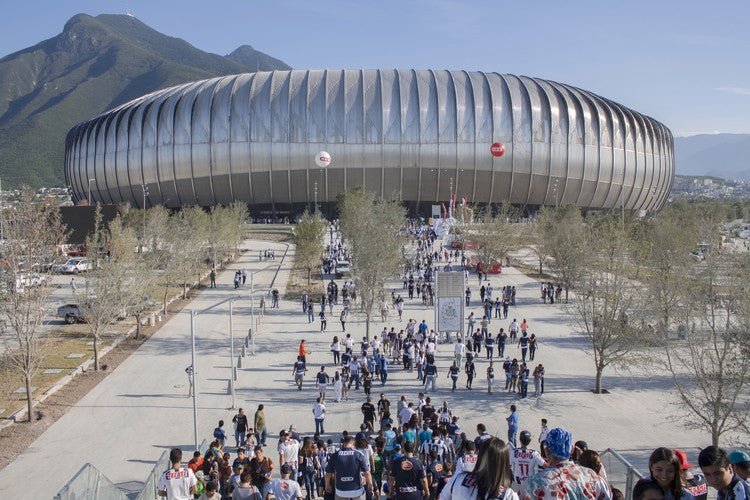
Rising from Guadalupe's landscape like a gleaming mountain of steel and glass, Estadio BBVA (nicknamed "El Gigante de Acero") represents modern Mexican football at its finest. Opened in 2015 as home to CF Monterrey's Rayados, this architectural masterpiece combines cutting-edge design with environmental sustainability, earning LEED Silver certification as the first North American football stadium with this distinction.
Stadium Specifications
- Capacity: 53,500
- Location: Guadalupe, Monterrey metropolitan area (eastern suburbs)
- Home Team: CF Monterrey (Rayados)
- FIFA Name: "Estadio Monterrey" during World Cup 2026
- Year Opened: 2015
- Architect: Populous (with VFO)
- Elevation: 1,765 feet (538m) above sea level
Architectural Marvel
Estadio BBVA's design pays homage to Monterrey's industrial heritage. The extensive aluminum sheeting on the facade references the city's metallurgical traditions, while the curved shape evokes the beer vats for which Monterrey is famous (home to Cervecería Cuauhtémoc Moctezuma, producers of Dos Equis and Tecate). The asymmetric roof covers all seating sections while framing dramatic views of the surrounding Sierra Madre Oriental mountains, particularly the iconic Cerro de la Silla (Saddle Mountain).
The cantilevered roof design keeps fans protected from Monterrey's intense summer heat while maintaining an open-air atmosphere. With the closest seats just 9 meters from the pitch (compared to 27 meters at the old Estadio Tecnológico), the viewing experience puts fans remarkably close to the action.
World Cup 2026 Matches at Estadio BBVA
Estadio BBVA will host four World Cup matches:
- June 14, 2026: Group Stage Match
- June 20, 2026: Group Stage Match
- June 24, 2026: Group Stage Match
- June 29, 2026: Round of 32 Knockout Match
2026 World Cup Upgrades
In preparation for the World Cup, Estadio BBVA installed a state-of-the-art Musco Lighting LED sports lighting system that:
- Meets FIFA Lighting Standard A requirements
- Reduces energy consumption by over 40%
- Features dimming capabilities for pre-match shows
- Enables color-changing light displays for ceremonies
Getting to Estadio BBVA
By Metro (Recommended): Take Metrorrey Line 1 to Exposición Station. From there, it's a 10-minute walk to the stadium. Total travel time from downtown Monterrey: 25-30 minutes.
By Bus: Multiple bus routes serve the stadium area, including 214, 223, TME, and 093. The BRT Mi Macro Periférico line stops at Estadio Chivas station (note: different from this Estadio BBVA, but nearby).
By Uber/Taxi: Rideshare from Monterrey's airport (MTY) takes approximately 20-25 minutes. From downtown Monterrey, expect 15-20 minute rides depending on traffic.
By Car: On-site parking is limited to season pass holders. Nearby commercial parking lots are available, but arrive early on matchdays. Follow signs for "Estadio BBVA" or "Estadio Monterrey."
Pro Tip: The stadium area in Guadalupe has fewer nearby restaurants and bars than central Monterrey. Eat in the city center (especially Fundidora Park area) before heading to the match, or explore stadium concessions which offer premium food options.
🏔️ Experience Monterrey's Modern Marvel
Watch World Cup football with mountain views at El Gigante de Acero.
Browse BBVA Tickets → Monterrey Tickets →Monterrey: Mountains, Industry & Modern Mexican Life
Monterrey is Mexico's industrial powerhouse and third-largest city, but don't let its business reputation fool you—this mountain-ringed metropolis offers stunning natural beauty, excellent museums, world-class breweries, and some of the best carne asada (grilled beef) you'll ever taste. With the dramatic Sierra Madre Oriental as a backdrop, Monterrey blends modern prosperity with northern Mexican charm.
Top Monterrey Attractions
Fundidora Park: This massive urban park was converted from a former steel foundry into Monterrey's premier green space. Featuring museums, walking/biking paths, an artificial lake, and event spaces, Fundidora will host the official FIFA Fan Fest with concerts, viewing parties, and cultural activities during the World Cup.
Macroplaza: One of the world's largest public plazas stretches through downtown Monterrey, connecting monuments, government buildings, museums, and the stunning Faro del Comercio (Lighthouse of Commerce). This is Monterrey's cultural heart.
Museo de Arte Contemporáneo (MARCO): Northern Mexico's finest contemporary art museum features rotating exhibitions from Mexican and international artists in a striking modernist building.
Barrio Antiguo: Monterrey's historic quarter features colorful colonial buildings, art galleries, bars, and restaurants. This bohemian neighborhood comes alive on weekends with street art, live music, and nightlife.
Chipinque Ecological Park: Escape the city heat at this mountain nature reserve offering hiking trails with panoramic city views, rock climbing, and cooler temperatures. Perfect for a day trip before evening matches.
Paseo Santa Lucía: A beautiful canal-walk connecting Fundidora Park to Macroplaza, featuring gondola-style boat rides, sculpture installations, and waterfront restaurants.
Monterrey Cuisine
Monterrey's food scene revolves around high-quality beef and northern Mexican specialties:
- Carne Asada: Monterrey-style grilled beef is legendary—expect premium cuts grilled over mesquite charcoal
- Cabrito (Roasted Kid Goat): Regional specialty slow-roasted until tender
- Machacado con Huevo: Dried beef with scrambled eggs—classic northern Mexican breakfast
- Flour Tortillas: Unlike central/southern Mexico's corn tortillas, Monterrey favors large flour tortillas
- Craft Beer: Sample Cerveza Minerva, Monterrey's pioneering craft brewery
Where to Stay in Monterrey
Downtown/Macroplaza Area: Best for culture and walkability. Mid-range hotels $70-150 USD per night.
San Pedro Garza García: Monterrey's upscale suburb features luxury hotels, shopping, and fine dining. Expect $150-300+ USD per night.
Near Fundidora Park: Convenient location for Fan Fest activities and quick metro access to the stadium. Budget to mid-range options $60-120 USD per night.
Booking Tip: Monterrey has excellent hotel infrastructure due to business travel, but book early for World Cup dates. The Metrorrey metro system makes most neighborhoods easily accessible.
Estadio Akron Guadalajara: Where Passion Meets Innovation
Estadio Akron is unlike any stadium you've seen. Rising from the landscape like an ancient volcano covered in grass, this architectural wonder opened in 2010 as the home of CD Guadalajara (Chivas), Mexico's most beloved and culturally significant club. The stadium's iconic design—a concrete structure wrapped in 70,000 square meters of grass—creates a dynamic connection between the modern arena and the surrounding landscape, earning it the nickname "El Templo Mayor" (The Great Temple).
Stadium Specifications
- Capacity: 48,071
- Location: Zapopan, Guadalajara metropolitan area
- Home Team: CD Guadalajara (Chivas)
- FIFA Name: "Estadio Guadalajara" during World Cup 2026
- Year Opened: 2010
- Architect: VFO Architects
- Renovation Budget: 250 million pesos ($12.4 million USD) for 2026 upgrades
Volcanic Architecture
Estadio Akron's most striking feature is its grass-covered exterior that cascades down the stadium's sides like a volcanic caldera. VFO architects designed the venue to blend seamlessly with Jalisco's natural landscape while creating a "red crater" of seating topped by a "white cloud" roof that appears to levitate thanks to only 16 structural supports. The result is a stadium that's both futuristic and organic, modern and timeless.
Inside, the steep double-tiered seating bowl traps sound and creates an intimidating atmosphere for visiting teams. The open-air design allows breezes to flow through while the ring roof provides shade. On matchdays, the passionate Chivas faithful—who proudly support the only major Mexican club that fields only Mexican players—create one of Liga MX's most electric atmospheres.
World Cup 2026 Matches at Estadio Akron
Estadio Akron will host four group stage matches, the most of any Mexican venue in that phase:
- June 11, 2026: Group Stage Match (same day as Azteca's opening ceremony)
- June 18, 2026: Group Stage Match (featuring Mexico)
- Two additional Group Stage Matches (dates TBA)
The June 18 match gives Guadalajara's football-obsessed fans their chance to support El Tri on their home turf. Expect deafening noise, Mexican flags waving throughout the stands, and the kind of passionate support that only Jalisco can deliver.
2026 World Cup Renovations
Estadio Akron's $12.4 million USD renovation includes:
- Upgraded LED sports lighting system
- Enhanced sound system for improved acoustics
- New high-definition video screens throughout the venue
- Natural grass playing surface improvements
- Expanded concessions and hospitality areas
- Accessibility enhancements to meet FIFA standards
Getting to Estadio Akron
By Light Rail (Recommended): Take SITEUR's Mi Tren Line 3 which runs across Zapopan-Guadalajara-Tlaquepaque. Exit at a station near the stadium and walk approximately 15-20 minutes, or take a short taxi/Uber from the station.
By Bus: Multiple routes serve Estadio Akron, including A12, T02, T01, and C109. The Mi Macro Periférico BRT stops at Estadio Chivas station near the venue.
By Car: From downtown Guadalajara, take Av. Vallarta (Highway 15D) toward Zapopan/Nogales, then Av. del Bosque to the stadium. Expansive parking lots surround the venue (over 4,800 general spaces), but arrive early on matchdays.
From Guadalajara Airport (GDL): The Miguel Hidalgo y Costilla International Airport is approximately 30 minutes from the stadium. Official airport taxis and ride-shares are available at competitive rates.
Pro Tip: The area around Estadio Akron is less developed than central Guadalajara. Plan to eat and drink in the city center (especially Avenida Chapultepec for bars and restaurants) before heading to the match, then return downtown for post-match celebrations.
🌋 Experience Chivas' Volcanic Temple
Watch World Cup football at Guadalajara's iconic grass-covered stadium.
Browse Akron Tickets → Guadalajara Tickets →Guadalajara: Birthplace of Mariachi, Tequila & Mexican Soul
If Mexico City is the political capital and Monterrey the industrial engine, Guadalajara is Mexico's cultural heart and soul. This is where tequila flows from nearby agave fields, where mariachi music echoes through colonial plazas, where charrería (Mexican rodeo) thrills crowds, and where traditions meet innovation in Mexico's Silicon Valley. As Mexico's second-largest city, Guadalajara offers the perfect blend of cosmopolitan sophistication and authentic Mexican culture.
Top Guadalajara Attractions
Historic Center & Guadalajara Cathedral: The city's colonial heart features the stunning twin-spired cathedral, Government Palace with José Clemente Orozco murals, and Teatro Degollado opera house. The surrounding plazas connect four major squares creating one of Mexico's most beautiful urban spaces.
Instituto Cultural Cabañas: This UNESCO World Heritage Site houses 57 murals by José Clemente Orozco, including his masterpiece "El Hombre de Fuego" (The Man of Fire) inside the chapel dome. Formerly a hospice and orphanage, it's now Guadalajara's premier cultural center with art exhibitions and performances.
Tlaquepaque: This charming artisan suburb (30 minutes from downtown) is a wonderland of pottery shops, art galleries, traditional candy stores, and the famous El Parián plaza where mariachi bands serenade diners nightly. The colorful Calle Independencia features the Instagram-famous umbrella street.
Plaza de los Mariachis: The spiritual home of mariachi music comes alive every evening at 9:30 PM when bands perform in this atmospheric plaza. Arrive early, grab a table at one of the surrounding restaurants, order tequila, and prepare for an authentic musical experience.
Mercado Libertad (San Juan de Dios): Mexico's largest indoor market features three floors of everything imaginable—handicrafts, clothing, electronics, food, and souvenirs. This is where locals shop, offering an authentic glimpse into Guadalajara life.
Avenida Chapultepec: Guadalajara's trendiest street lined with restaurants, rooftop bars, cafes, and nightclubs. This is where students and young professionals gather for weekend nightlife. The weekly Sunday cultural tianguis (street market) features local artisans and street food.
Day Trip to Tequila Town
No visit to Guadalajara is complete without a pilgrimage to Tequila, the small town that gave the world's famous spirit its name. Located just 40 miles (65 km) northwest of Guadalajara amidst blue agave fields stretching to the horizon, Tequila offers multiple experiences:
Jose Cuervo Express: This luxury Saturday train journey from Guadalajara to Tequila ($59 USD per person) includes cocktails, mariachi entertainment, distillery tour, tequila tasting, and traditional jimador (agave harvester) demonstrations. The all-day experience captures everything special about Jalisco.
Budget Option: Take a public bus from Guadalajara's Central Vieja bus terminal (90 minutes, ~$10 USD round-trip). Once in Tequila town, walk to distilleries like Jose Cuervo's La Rojeña (the oldest in Latin America), Sauza, or Herradura for tours and tastings.
Overnight Experience: Stay in Tequila at unique hotels like Matices Hotel de Barricas (where rooms are shaped like giant tequila barrels), Solar de las Ánimas (Jose Cuervo's boutique hotel), or Casa Salles Hotel Boutique for a full immersion experience.
Experiencing Mariachi & Charrería
Mariachi Culture: Guadalajara is the birthplace of mariachi music. Beyond Plaza de los Mariachis, catch performances at Jardín Hidalgo in Tlaquepaque's El Parián plaza, where multiple mariachi groups compete for tables. If visiting in late August, don't miss the International Mariachi and Charrería Festival, the world's largest celebration of these UNESCO-recognized traditions.
Charrería (Mexican Rodeo): Watch Mexico's national sport at Lienzo Charros de Jalisco, where charros (horsemen) and escaramuzas (female riders) perform choreographed routines in elaborate handmade outfits. Book tours that include lassoing lessons, horse riding, and mariachi performances for the complete experience.
Guadalajara Cuisine
Guadalajara's food scene celebrates Jalisco's culinary traditions:
- Torta Ahogada: The city's signature "drowned sandwich"—crispy birote roll stuffed with carnitas and submerged in spicy tomato-chili sauce
- Birria: Rich stew of slow-cooked goat or beef in complex spice blend, often served in tacos
- Carne en su Jugo: "Meat in its juice"—chopped beef in tomatillo-based broth with bacon, beans, and garnishes
- Tequila & Palomas: Sample premium aged tequilas or the refreshing Paloma cocktail (tequila, grapefruit, lime)
- Street Food: Don't miss fresh churros, elote (grilled corn), and tejuino (fermented corn drink)
Where to Stay in Guadalajara
Centro Histórico: Maximum cultural immersion near major attractions. Budget to mid-range $50-120 USD per night.
Tlaquepaque: Charming artisan district with boutique hotels and B&Bs. Mid-range $80-150 USD per night.
Zapopan (near Estadio Akron): Convenient for matches, with modern hotels and shopping. $70-140 USD per night.
Americana/Chapultepec: Trendy neighborhoods with nightlife, restaurants, and tree-lined streets. $90-180 USD per night.
Booking Tip: Guadalajara offers excellent value compared to Mexico City. Book 3-4 months in advance for World Cup dates, especially properties near metro/light rail lines.
Guadalajara Safety Tips
Guadalajara is generally safe for tourists, especially in main tourist zones:
- Stick to well-traveled areas like Centro, Tlaquepaque, Zapopan, and Chapultepec
- Use official taxis, Uber, or ride-shares rather than street taxis
- Plaza de los Mariachis has more petty crime than other areas—visit with a group
- Learn basic Spanish—locals appreciate the effort and Guadalajara has fewer English speakers than tourist destinations
Traveling Between Mexico's Three Host Cities
Experiencing matches in all three Mexican host cities offers the ultimate World Cup 2026 experience. Here's how to travel efficiently between Mexico City, Monterrey, and Guadalajara:
Flight Connections
Mexico City ↔ Monterrey:
- Flight time: 1 hour 30 minutes
- Airlines: Aeromexico, Viva Aerobus, Volaris
- Frequency: Multiple daily flights
- Average cost: $80-150 USD
Mexico City ↔ Guadalajara:
- Flight time: 1 hour 15 minutes
- Airlines: Aeromexico, Viva Aerobus, Volaris
- Frequency: Multiple daily flights (one of Mexico's busiest routes)
- Average cost: $60-120 USD
Monterrey ↔ Guadalajara:
- Flight time: 1 hour 30 minutes
- Airlines: Aeromexico, Viva Aerobus, Volaris
- Frequency: Several daily flights
- Average cost: $90-160 USD
Pro Tip: Book flights at least 2-3 months in advance for World Cup travel. Prices spike closer to tournament dates. Budget airlines Viva Aerobus and Volaris offer the lowest fares but charge for baggage and seat selection.
Bus Travel (Budget Option)
Mexico's luxury bus network offers comfortable, affordable travel between host cities:
Mexico City ↔ Guadalajara:
- Travel time: 7-8 hours
- Cost: $30-50 USD
- Operators: ETN, Primera Plus (first-class buses with WiFi, meals, reclining seats)
- Best for: Overnight travel to save on accommodation
Mexico City ↔ Monterrey:
- Travel time: 11-12 hours
- Cost: $50-70 USD
- Operators: ETN, Futura
- Best for: Overnight travel if you want to save money
Guadalajara ↔ Monterrey:
- Travel time: 8-9 hours
- Cost: $40-60 USD
- Operators: ETN, Omnibus de México
- Best for: Overnight travel between west and north
Pro Tip: First-class Mexican buses are surprisingly comfortable with reclining seats, air conditioning, bathrooms, WiFi, and meal service. Book through BusBud.com or at bus terminals.
Sample Multi-City Itinerary
Ultimate Mexico World Cup Experience (10 days):
Day 1-3: Mexico City → Arrive, explore Centro Histórico, Xochimilco, museums
Day 4: Opening Match at Estadio Azteca (June 11)
Day 5: Fly to Guadalajara (1 hour 15 min)
Day 6-7: Guadalajara → Explore historic center, day trip to Tequila, mariachi at Tlaquepaque
Day 8: Match at Estadio Akron (June 18 - Mexico plays here)
Day 9: Fly to Monterrey (1 hour 30 min)
Day 10: Monterrey → Explore Fundidora Park, Macroplaza, evening match at Estadio BBVA
This itinerary lets you experience all three cities and catch 3+ World Cup matches while immersing yourself in Mexican culture.
How to Buy Tickets for Mexico World Cup 2026 Matches
Mexico's 13 World Cup matches—including the tournament's opening ceremony—will be among the most sought-after tickets of the entire tournament. Here's everything you need to know about securing your seats:
Official FIFA Ticket Sales
FIFA manages all official World Cup ticket sales through their website (FIFA.com) in multiple phases:
- Random Selection Draws (Lottery): The primary method for obtaining tickets. Register on FIFA.com, submit your ticket requests, and FIFA randomly selects winners. First lottery occurred September-October 2025 for Visa cardholders. Additional lotteries planned for late 2025.
- First-Come, First-Served Sales: Closer to the tournament (early 2026), remaining tickets are sold on a first-come, first-served basis. These sell out within minutes for high-demand matches.
- Last-Minute Sales: Very limited inventory released shortly before matches begins.
Mexico Match Ticket Pricing
Official FIFA pricing for Mexico venues (approximate, varies by match importance):
- Estadio Azteca Opening Match: $300-$1,200+ USD (highest demand)
- Group Stage Matches (Mexico playing): $200-$800 USD
- Group Stage Matches (other teams): $150-$500 USD
- Round of 32: $250-$900 USD
- Round of 16: $350-$1,200 USD
Important: Prices fluctuate based on demand (dynamic pricing). The earlier you buy, generally the lower the cost.
Verified Secondary Market: Goal Tickets
If you missed FIFA's lottery or want guaranteed tickets without waiting for additional sales phases, Goal Tickets offers verified secondary market inventory for all Mexico World Cup 2026 matches. Benefits include:
- Guaranteed authentic tickets (no lottery uncertainty)
- Immediate confirmation and booking
- Customer support throughout your World Cup experience
- Package deals combining multiple matches
- Hospitality upgrades available
Secondary market pricing reflects supply and demand, with premium matches (like the opening ceremony) commanding higher prices than standard group stage games.
Hospitality Packages
FIFA and authorized agents offer VIP hospitality packages that include:
- Premium seating at the stadium
- Exclusive lounge access with gourmet catering
- Complimentary beverages and open bars
- Meet-and-greet opportunities with football legends
- Transportation to/from stadium
- Commemorative gifts and merchandise
Hospitality packages start around $1,000 USD per person per match and can exceed $5,000+ for opening match premium experiences.
Important Ticketing Details
- Mobile Tickets Only: All World Cup 2026 tickets are mobile-only, delivered via the official FIFA app. No paper tickets will be issued.
- ID Requirements: You'll need a valid passport to enter stadiums. The name on your ticket must match your ID.
- Purchase Limits: Maximum 4 tickets per match, 40 tickets total per person for the entire tournament.
- No Screenshots: Screenshots of mobile tickets won't work. You must access tickets through the official app.
- Resale Policy: FIFA typically allows official ticket resale through their platform closer to the tournament. Check FIFA.com for resale policies and authorized platforms.
Avoiding Scams
Unfortunately, World Cup tickets attract scammers. Protect yourself:
- ❌ Never buy tickets from random social media accounts or unverified websites
- ❌ Avoid sellers asking for upfront wire transfers or cryptocurrency payments
- ❌ Don't trust "too good to be true" pricing—legitimate tickets aren't cheap
- ✅ Only purchase from FIFA.com or verified resellers with established reputations
- ✅ Use payment methods with buyer protection (credit cards, PayPal)
- ✅ Verify seller credentials and read customer reviews before purchasing
🎟️ Secure Your Mexico World Cup 2026 Tickets Now
Don't miss the opening match at Estadio Azteca or Mexico's group stage games. Browse verified tickets for all Mexico venues.
Browse All Tickets → Mexico Team Tickets →Frequently Asked Questions
Which Mexican stadium hosts the World Cup 2026 opening match?
Estadio Azteca in Mexico City will host the FIFA World Cup 2026 opening match on June 11, 2026. This marks the third time Estadio Azteca has hosted a World Cup opening ceremony (after 1970 and 1986), a historic achievement no other stadium can claim. Mexico will play in this opening match against a Group A opponent.
How many matches will Mexico host during the 2026 World Cup?
Mexico will host 13 total FIFA World Cup 2026 matches across three stadiums: 5 matches at Estadio Azteca in Mexico City (including the opening match), 4 matches at Estadio BBVA in Monterrey, and 4 matches at Estadio Akron in Guadalajara. This includes 10 group stage matches and 3 knockout stage matches.
What's the best way to travel between Mexico City, Monterrey, and Guadalajara?
Domestic flights are the fastest option, with flight times of 1-1.5 hours between cities and multiple daily departures from airlines like Aeromexico, Viva Aerobus, and Volaris. Flights typically cost $60-160 USD. First-class buses offer a budget alternative with comfortable overnight service, though travel times range from 7-12 hours between cities. Book flights 2-3 months in advance for best prices.
Do I need to speak Spanish to visit Mexico for the World Cup?
While basic Spanish helps significantly, you can navigate Mexico's host cities with limited Spanish. Mexico City, Monterrey, and Guadalajara all have tourist infrastructure with some English speakers, especially around stadiums, hotels, and major attractions. However, learning basic phrases (greetings, numbers, "where is," "how much") greatly enhances your experience and earns goodwill from locals. Translation apps like Google Translate work well for more complex conversations.
Is it safe to travel to Mexico for the World Cup?
Mexico City, Monterrey, and Guadalajara are generally safe for tourists, especially in tourist zones and during major international events like the World Cup when security is heightened. Use common sense precautions: use official taxis or ride-shares, avoid displaying expensive items, stay in well-traveled areas at night, and be aware of your surroundings. FIFA and Mexican authorities will implement extensive security measures around stadiums and Fan Fest areas during the tournament.
What's the weather like in Mexico during June 2026?
June is Mexico's rainy season, with afternoon thunderstorms common but usually brief. Expect warm to hot temperatures: Mexico City (65-78°F/18-26°C, cooler at night due to altitude), Monterrey (75-95°F/24-35°C, hot and humid), Guadalajara (70-88°F/21-31°C, pleasant). Pack light, breathable clothing, sunscreen, a light rain jacket, and comfortable walking shoes. The altitude in Mexico City (7,200 feet) may affect some visitors initially—stay hydrated.
Can I use US dollars in Mexico?
While some tourist areas accept US dollars, you'll get better exchange rates using Mexican pesos. ATMs are widely available in all three host cities and offer the best exchange rates. Major credit cards are accepted at hotels, restaurants, and shops, though some smaller vendors and street food stalls only take cash. Bring small denominations of pesos for taxis, tips, and street vendors. Current exchange rate is approximately 18-20 pesos per US dollar.
What cultural experiences should I not miss in each city?
In Mexico City, visit the ancient Aztec ruins at Templo Mayor, explore Xochimilco's canals with mariachi-filled boat rides, and tour world-class museums like the National Museum of Anthropology. In Monterrey, hike Chipinque Park for mountain views, explore Fundidora Park's Fan Fest, and sample authentic carne asada at local restaurants. In Guadalajara, take the Jose Cuervo Express or bus to Tequila town for distillery tours, watch mariachi performances at Plaza de los Mariachis and Tlaquepaque's El Parián, and shop for artisan pottery and crafts.
How early should I arrive at the stadiums on matchday?
Stadium gates typically open 3 hours before kickoff for World Cup matches. Arrive at least 2 hours early (preferably 2.5-3 hours for high-demand matches like the opening ceremony) to account for security screening, crowd management, and finding your seats. This also allows time to explore stadium amenities, purchase food and beverages, and soak in the pre-match atmosphere. For Estadio Azteca, factor in additional travel time via metro from central Mexico City.
Are there any stadium-specific restrictions I should know about?
All FIFA World Cup 2026 stadiums enforce strict security protocols. Clear bags up to 12"×6"×12" are permitted, along with small non-clear clutches up to 4.5"×6.5". Prohibited items include professional cameras with detachable lenses, large bags, flagpoles, outside food and drinks (except medical/childcare items), and any weapons or dangerous items. All stadiums are non-smoking. Mobile tickets only—no paper tickets or screenshots accepted. Arrive with a charged phone to access your mobile tickets via the official FIFA app.
Experience Mexico's World Cup 2026 Magic
Mexico's three World Cup 2026 stadiums offer vastly different experiences united by one common thread: passion. Whether you're witnessing history at the legendary Estadio Azteca's third opening ceremony, marveling at Estadio BBVA's modern steel elegance against mountain backdrops, or feeling the volcanic energy inside Estadio Akron's grass-covered temple, you'll experience Mexican football culture at its finest.
Beyond the stadiums, Mexico City's museums and ancient ruins, Monterrey's industrial pride and natural beauty, and Guadalajara's tequila-soaked mariachi magic create the perfect World Cup journey. This isn't just about watching football—it's about experiencing Mexico's soul through its most beloved sport.
With the opening match just months away on June 11, 2026, now is the time to plan your Mexican World Cup adventure. Book your tickets, reserve your accommodations, and prepare for the experience of a lifetime. ¡Vamos México!
🏆 Start Planning Your Mexico World Cup 2026 Experience
Explore tickets for all Mexico matches, including the historic opening ceremony at Estadio Azteca and Mexico's group stage games.
Browse All Tickets → Estadio Azteca Tickets → Mexico Team Tickets →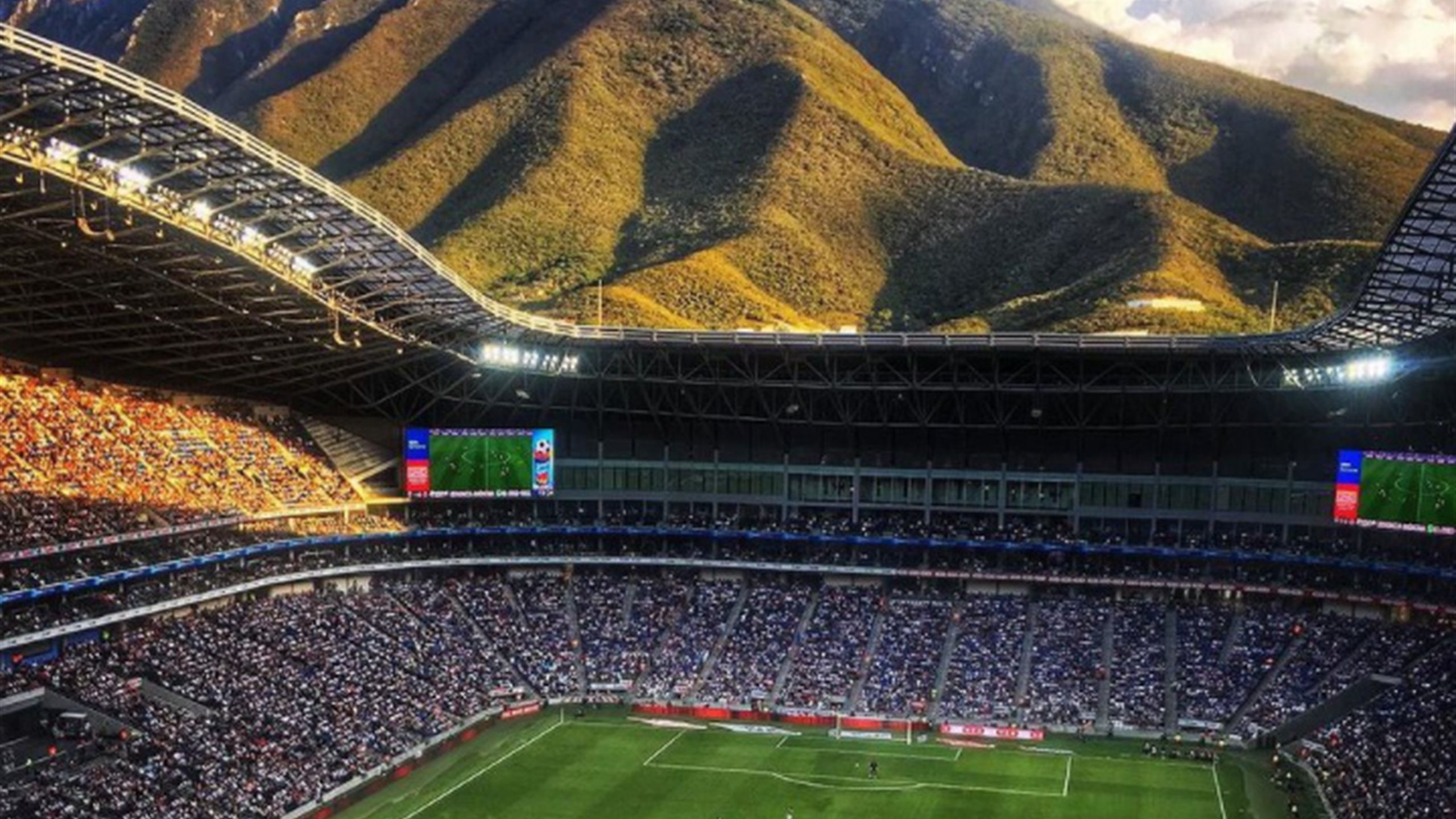

Leave a comment
This site is protected by hCaptcha and the hCaptcha Privacy Policy and Terms of Service apply.